
Loading...
Serving Texarkana, TX and surrounding areas. (430) 278-0102
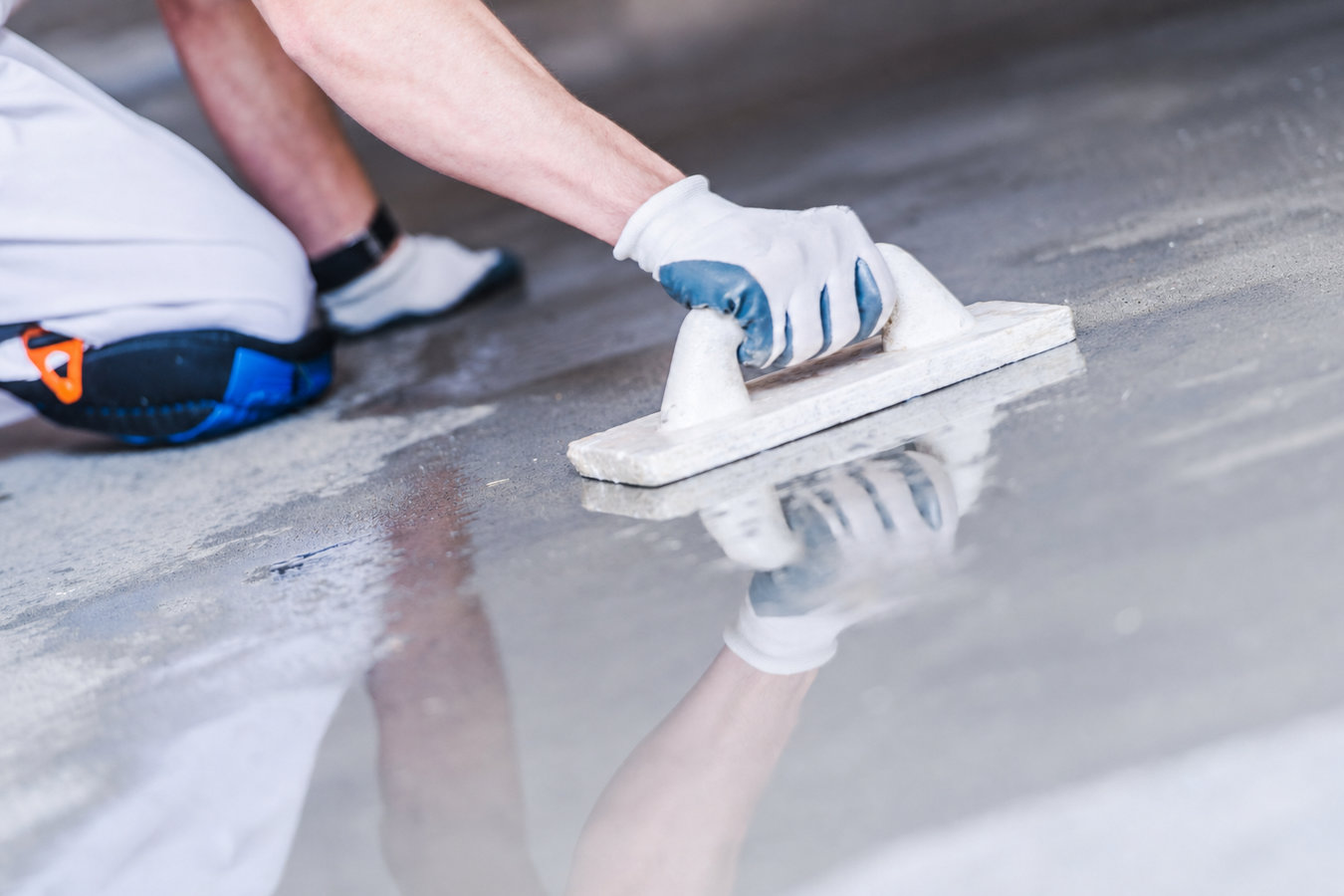
Uneven, cracked, or settled floors do not have to mean a full slab replacement. We pour a smooth, level surface over what you have.
Self-leveling concrete in Texarkana is a flowable overlay material poured over an existing slab - it spreads across the floor and settles into a smooth, flat surface on its own - correcting low spots, cracks, and uneven wear, with most single-room jobs complete in one to two days of work.
In Texarkana, a common reason floors become uneven is the clay-heavy soil beneath the slab. That soil expands when it rains and contracts during dry summers, creating movement that causes concrete to crack, dip, or shift over years. If you are noticing low spots in a room, furniture that wobbles on a hard floor, or tile that keeps cracking in the same places, the problem is usually the floor underneath. Our concrete resurfacing and overlay service handles general surface wear, while self-leveling overlays specifically address floors with unevenness or significant settlement that a standard resurface cannot fully correct.
Before any material is poured, we test the slab for moisture - a step that is especially important in a city that receives close to 48 inches of rain per year. Skipping that test is one of the most common reasons an overlay bubbles or peels within the first year, and it is a step we do not skip.
A low spot in the middle of a room, or furniture legs that wobble even on a hard floor, usually means the slab has settled unevenly. This is one of the most common issues in Texarkana homes built on clay soil, where the ground beneath the slab expands and contracts with the seasons. A self-leveling overlay fills those low spots and gives you a flat, stable surface again.
Small surface cracks are normal over time, but cracks that are widening, multiplying, or have a slight lip where one side is higher than the other indicate the slab has moved. In Texarkana's climate, this kind of cracking often gets worse after a dry summer followed by heavy fall rains. An overlay, after proper crack repair, restores a smooth surface and slows further wear.
If tile keeps cracking in the same spots, or vinyl planks keep popping up at the seams, the problem is usually the floor underneath - not the flooring material itself. An uneven or rough concrete surface transfers stress up into whatever is laid on top. Leveling the slab first gives new flooring a stable base and prevents the same problem from repeating.
A chalky white residue on your concrete floor - or a floor that feels slightly damp even in dry weather - is a sign that moisture is moving up through the slab from the soil below. Given Texarkana's high annual rainfall and clay-heavy ground, this is not unusual. Left unaddressed, that moisture will damage any flooring placed on top, and a contractor should test for it before an overlay goes down.
We clean the existing slab, patch cracks and holes, apply a bonding primer, and then pour the self-leveling overlay material - which flows across the floor and settles into a smooth, flat surface. The layer is typically between one-eighth of an inch and one inch thick depending on how uneven your floor is. We test for moisture before the primer goes down, and in Texarkana we treat this as a non-negotiable step given the area's rainfall and clay soil conditions. Once cured, the finished surface can be left as a clean gray floor, stained for a polished look, or used as a base layer for tile or luxury vinyl. For pool decks and other outdoor wet areas, our pool deck coatings and resurfacing service uses overlay systems formulated for outdoor exposure. For general surface wear on driveways, patios, or garage floors, our concrete resurfacing and overlays service is the right starting point.
Many Texarkana homeowners use self-leveling overlays as a hidden base layer before installing new flooring - tile, luxury vinyl plank, hardwood, or laminate all perform better and last longer when the concrete underneath is flat and smooth. Others use the finished overlay as the final floor surface in garages, basements, and utility spaces where a clean, durable concrete look is exactly what they want.
Suits rooms with visible low spots, dips, or uneven surfaces caused by slab settlement - creates a flat base for new flooring or as a finished floor.
Suits garages, basements, and utility spaces where a clean, polished gray surface is the final look - durable and easy to maintain.
Suits homeowners installing tile, luxury vinyl, or hardwood on top - the overlay creates the smooth, flat base that prevents seams from popping and tiles from cracking after installation.
Suits basement conversions and finished interior spaces where homeowners want a polished, stone-like appearance without the cost of tile or natural stone.
Texarkana sits on a belt of heavy clay soil that swells with rain and shrinks in the heat - and that cycle is the root cause of most uneven floors in this area. A large share of Texarkana's residential neighborhoods were built in the 1960s through 1980s on slab-on-grade foundations, meaning the concrete floor is the foundation. Slabs of that age, sitting on clay that has moved through decades of wet and dry seasons, commonly develop the low spots, cracks, and surface wear that self-leveling overlays are specifically designed to fix. Before recommending an overlay, we check whether the underlying movement has stabilized - because pouring over a slab that is still actively shifting is not a lasting solution. Homeowners in Texarkana, TX neighborhoods with older housing stock are the most frequent candidates for this service, and many come to us after tile or vinyl flooring has failed repeatedly over the same spots.
Moisture is the other major local factor. Texarkana receives roughly 47 to 50 inches of rain per year, and the flat terrain in many parts of the city means water does not always drain away from homes quickly. Moisture that moves up through a slab from the soil below - a problem called moisture vapor transmission - is a common cause of overlay failures when contractors skip the moisture test. We treat this as a standard part of every job here, not an optional add-on. Homeowners in outlying communities like Nash, TX face the same clay soil and drainage conditions and are well within our service area.
Describe what you are noticing - a dip in the floor, cracking tile, a rough surface. We ask a few basic questions and reply within one business day to schedule an in-person visit before any price is discussed.
We measure how uneven the floor is, check for cracks that need patching, and test for moisture in the slab - the moisture check is especially important in Texarkana given the area's rainfall and clay soil. You get a written estimate with a clear breakdown of what is included and what it will cost.
Empty the room completely before the crew arrives. The crew cleans the surface, patches any cracks or holes, and applies a bonding primer - this prep stage is the most important part of the job. Once the primer sets, the self-leveling material is poured and spreads across the floor on its own.
Plan on light foot traffic after 24 hours and full use after several days. In Texarkana's summer heat, curing management may add a little time. Before leaving, we walk through the finished floor with you, confirm it meets what was agreed on, and tell you exactly when it is ready for flooring on top or regular use.
We visit the floor in person before quoting. No obligation, no sales call.
(430) 278-0102In a city that gets close to 48 inches of rain per year, moisture moving up through a slab is one of the most common reasons overlays fail within the first year. We test before the primer goes down - not after the job is done and the problem shows up. This step protects your investment, and we do it on every job regardless of how the floor looks on the surface.
The expansive clay soil throughout Bowie County moves every year. Before recommending an overlay, we check whether that movement has stabilized - because pouring over a slab that is still actively shifting will not hold up, and the honest answer in that case is to address the soil or foundation issue first. We would rather tell you that than take a job that will fail.
Most of our self-leveling work is on 1960s through 1980s homes built on slab-on-grade foundations - the same construction type that dominates many Texarkana neighborhoods. We know what those slabs look like after 40 to 60 years on clay soil, and we bring the right preparation and materials for the conditions we actually find, not just a standard checklist. American Concrete Institute technical guidance on overlay bonding informs our prep approach on aged surfaces.
You get a written quote after an in-person assessment that covers what the job includes, what the finish will look like, and what you will pay. If something unexpected comes up on job day, we talk to you before proceeding - the estimate you sign is the price you pay unless you authorize a change. This is how we handle jobs in compliance with Texas contractor standards.
Every one of these practices exists to make sure the floor we pour holds up through Texarkana's wet springs, hot summers, and the seasonal ground movement that makes flooring in this area more demanding than most contractors plan for.
Outdoor wet-area overlay systems with slip-resistant finishes built for pool decks and other exposed concrete surfaces.
Learn MoreFor driveways, patios, and garage floors with surface wear, staining, or cracking - a bonded overlay restores the surface without demolition.
Learn MoreWe are booking projects now - contact us to lock in your start date before summer heat makes scheduling harder.